
Pet cafe – the healing trend of youth
According to Fortune Business Insights, the global Dog Café market was estimated to be valued at USD 245.66 billion in 2023 and is expected to experience strong growth, rising from USD 249.33 billion in 2024 to USD 368.88 billion in 2030, with a compound annual growth rate (CAGR) of 5.92%.
1. The History of Pet Café Business Development
The concept of pet cafés originated in Taiwan in the late 1990s, when the first cat café, named “Cat Flower Garden”, was established in Taipei in 1998. This unique business idea combined the joy of bonding with pets and the relaxing atmosphere of a café, creating a new trend that quickly gained popularity.
Soon after, the pet café model spread to Japan and rapidly became part of modern culture. Cat cafés began popping up throughout Tokyo, creating ideal spaces for urban residents to unwind after long working hours. The success of cat cafés in Japan was not only due to their novelty but also rooted in a culture that has long honored the image of cats, as seen in the “maneki-neko” (beckoning cat) statue— a symbol of good luck and prosperity.

The rapid growth of the cat café business model in Japan has inspired entrepreneurs worldwide, leading to the opening of pet cafés featuring various animals. Dog cafés emerged as the next trend, where customers can relax with adorable dogs. This idea did not stop with cats and dogs but expanded to include animals such as rabbits, hedgehogs, and even reptiles.
The spread of pet cafés globally has created a diverse picture, with each place offering its unique features. From bustling cities in Europe and North America to cultural hubs in Asia, pet cafés have won the hearts of animal lovers everywhere.
2. The Values that Pet Café Models Bring
Reducing Stress and Enhancing Quality of Life
Pet cafés provide a peaceful space where customers can escape the hustle and bustle of daily life and relax while expressing their love for pets. This taps into the therapeutic benefits of interacting with animals, significantly improving mood and reducing human stress levels.
In particular, pet cafés offer a chance for customers to enjoy time with animals without the long-term responsibility of pet ownership. This is especially suitable for animal lovers who face housing restrictions or lead busy lifestyles that prevent them from keeping pets. Spending time with pets in a cozy, relaxed space provides a unique experience that helps improve mental well-being and enhances quality of life.

A space to express love for animals and connect with the pet-loving community
Pet cafés are not only places for customers to express their love for pets but also spaces to connect with fellow pet enthusiasts. As such, pet cafés play an important role in building a community of informed and compassionate pet owners.
Opportunities to share special moments with pets on social media
In addition to enjoying fun moments with pets, pet cafés are ideal places for customers to take photos with their pets and share them on social media. This allows customers to capture and share memorable moments with their pets, helping them create a personal presence on social media platforms.
Moreover, sharing pet pictures on social media offers a way to escape from negative content. Pets provide a break from unhealthy body images, heated political debates, and the overwhelming negativity that can fill social media.
Promoting and raising awareness of animal welfare
Many pet cafés collaborate with animal shelters and local animal protection organizations to promote adoption and raise awareness of animal welfare. When pets interact with potential adopters in a comfortable and loving environment, it increases the chances of finding a permanent home and helps customers feel more positively about the business.
3. Challenges Faced in Running a Pet Café Business
Ethical and Animal Welfare Concerns
While pet cafés bring numerous benefits, this business model also raises important ethical considerations, where the health and comfort of the pets are critical factors for maintaining success and integrity in operations. These include:
Vaccination and Health Checks for Pets
Pet cafés must ensure regular vaccinations, parasite control, and health check-ups for their animals. Routine veterinary care helps prevent diseases, address health issues promptly, and improve the overall quality of life for the pets.
Providing high-quality meals for the animals is an essential aspect of ensuring their welfare. Cafés should offer tailored diets suitable for each species, meeting their nutritional needs to keep pets healthy and energetic.

Stress in pets
Pet cafes should be designed to minimize stress for the animals. This includes providing designated areas for play, climbing, and exploration to stimulate pets both physically and mentally. Additionally, cozy resting spots should be available, allowing pets to relax and retreat from customer interaction when needed.
Continuous attention on pets
To prevent pets from becoming overwhelmed by constant attention, pet cafes should implement strict interaction rules. Measures might include limiting the number of guests, setting guidelines for petting, and establishing “quiet hours” so pets can rest undisturbed. These steps not only safeguard the animals’ well-being but also enhance the overall customer experience.
Concerns about infectious diseases
Following reports linking the coronavirus to animals, public caution regarding zoonotic disease transmission has increased. Even before the pandemic, many parents hesitated to allow children to interact with pets at cafes, fearing the risk of infections. While hygiene measures can mitigate these risks, they cannot entirely eliminate potential threats.
For instance, dogs and cats can carry infections transmissible to humans, such as Campylobacter bacteria, which can cause symptoms like diarrhea, abdominal pain, and fever. Another risk is cat scratch disease, characterized by swollen and painful lymph nodes, fever, headache, and fatigue.

Issues arising from pet-related injuries to customers
Operating a pet café inevitably involves incidents such as customers being bitten or scratched by cats. While all pets may be fully vaccinated, some customers – particularly parents with injured children – might still demand compensation.
These unforeseen issues increase the operating costs of pet cafés, including expenses for disease prevention and veterinary care for the animals. Additionally, hygiene risks related to food and beverages due to the presence of animals are also important considerations when running this type of business.
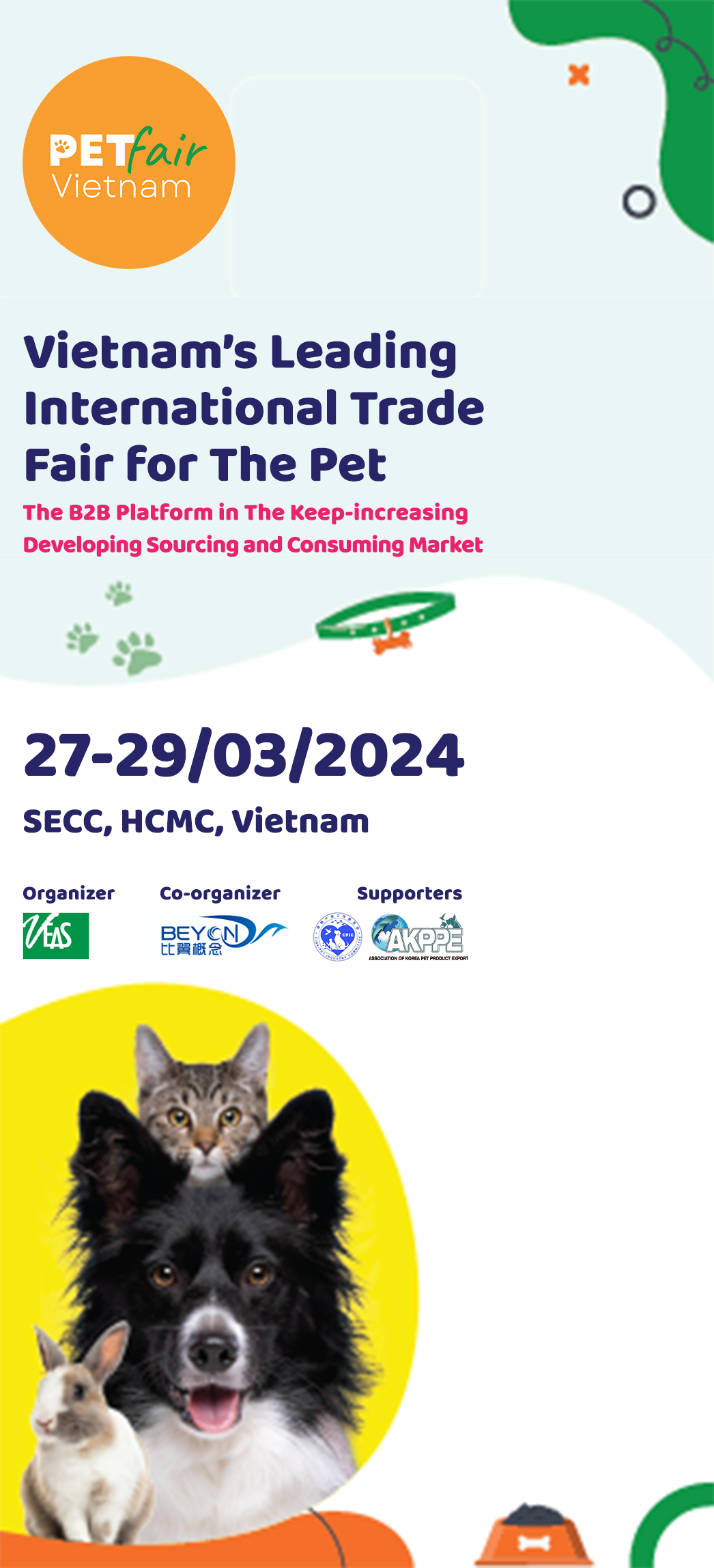
Understanding the challenges and difficulties in operating pet cafés specifically, as well as the pet industry in general, Petfair Vietnam 2025 aims to serve as a vital bridge connecting businesses with suppliers and potential partners. This exhibition will provide an essential platform for fostering development and collaboration within the pet industry.

According to statistics from Petfair Vietnam 2024, the exhibition successfully attracted over 10,265 professional visitors from 28 countries and territories, along with the participation of more than 200 brands from 17 countries. With these impressive figures, Petfair Vietnam 2025 promises to be an unmissable destination, where attendees can explore a wide variety of products and services within the pet industry.
Furthermore, the exhibition will feature free seminars presented by leading experts, delivering valuable insights to help visitors stay updated on the latest technologies and trends in the industry. Don’t miss the chance to experience these exciting highlights and expand your business network by registering for a booth at Petfair Vietnam 2025!